
The roasting of coffee
We occasionally receive questions from customers about the taste of coffee and why one coffee is different from another. There was an article on koffiethee.nl that I would like to share for this reason. It describes very well how roasting coffee affects its taste.
Furthermore, it is good to know that there are also external factors that determine the taste of your coffee. And I don't just mean the quality of the water, etc. The holiday mood you experience in, for example, Italy also has an influence on your taste. And the same Italian coffee then tastes very different in the Netherlands.
Regarding roasting, I will also mention a few examples of our coffees that each have their own roast.
This is what roasting does to the taste of your coffee
Why does coffee taste different at home than in a café? This has to do with many things. Such as the coffee bean you use, the grind of the coffee, and the brewing method. Filter coffee is not comparable to espresso. But also the environment and even the color of the coffee cup from which you drink your coffee has an influence on the taste. Another important element is how the coffee is roasted. How does the roasting process work and what does that do to the taste? We will go into that in this article.
Roasting coffee

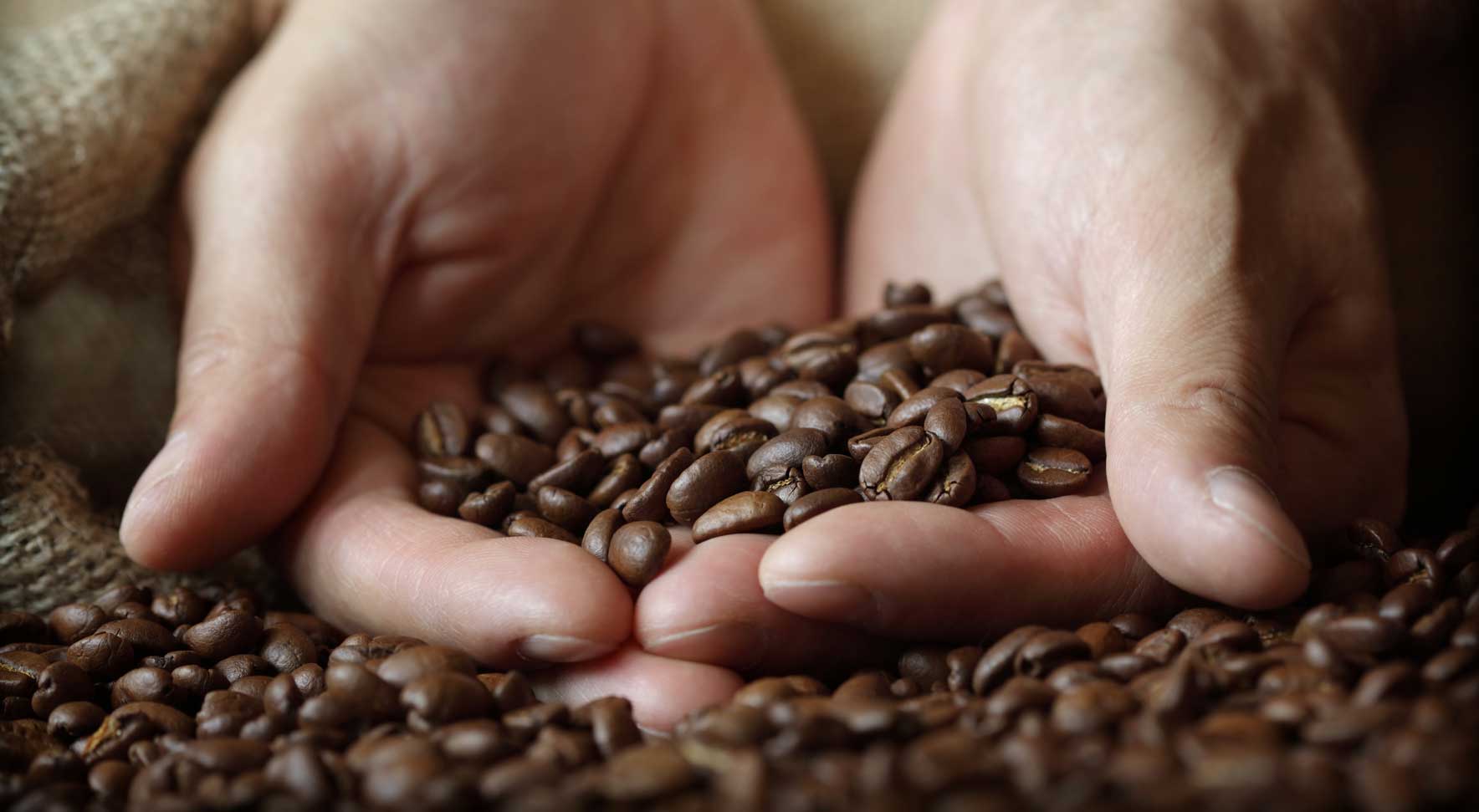
An unroasted coffee bean looks nothing like the coffee you brew at home. It is green and does not taste or smell like coffee at all. Only when you roast the bean does it get its characteristic aroma and color. By roasting in different ways, it is possible to achieve a specific taste in the coffee.
During roasting, as the sugars in the bean caramelize, the green bean slowly changes color. First yellow, and then increasingly brown. Due to the heat, which can rise to 240ºC, the bean swells. Further and further, until… crack! Just like popcorn. And then the bean is ready.
800 aromas
Every bean has a certain taste of its own, but roasting brings this out. During roasting, there are more than 800 aromas that determine the taste and aroma profile. So another roast will therefore result in a slightly different taste. In addition, the roaster can blend different beans: the possibilities are endless.
From light to dark: what suits you?
Light roast, medium roast, dark roast… When you look at coffee packaging, you often read all sorts of things about roasting. But what does that actually mean for the taste? In short, the roast indicates how long and at what temperature the beans were roasted. With a light roast, the beans are roasted briefly and are light in color. A dark roast takes longer and produces darker beans.
– Light roast. This brings out the character of the bean well. The coffee you brew with this tastes mild and slightly fruity.
In our assortment, these are usually seasonal coffees, such as Natural Processed beans from Ethiopia or the Natural Anaerobic Pink Bourbon that we recently had from Colombia. They are unique beans that have a very distinctive character.
– Medium roast. Roasting slightly longer results in a somewhat darker color and fuller aromas. This gives the coffee its ‘body’, that full, round feeling in your mouth when you drink coffee.
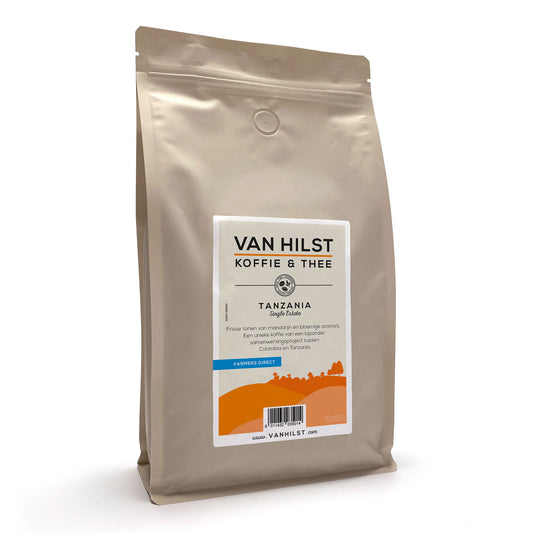
Our Single Estates are all Medium Roasts. Think of Guatemala, Indonesia etc.
– Dark roast. By roasting even longer and at a higher temperature, the beans get a beautiful dark, deep color. Dark roasted coffee therefore tastes a bit stronger and has intense aromas. Perfect for espresso.
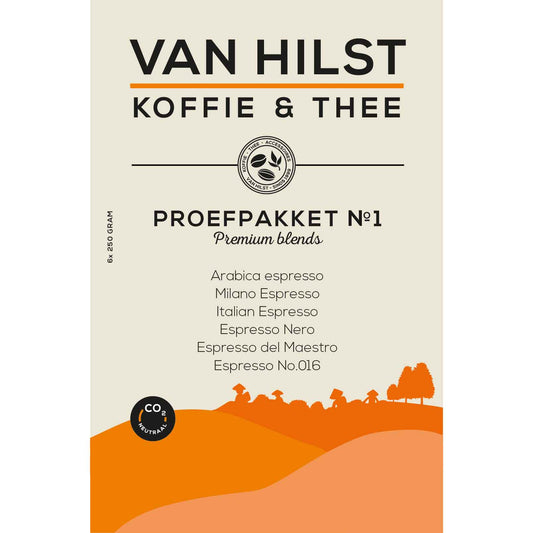
And this category speaks for itself. Our espressos are dark roasted. But there are differences. Take Espresso Nero: our darkest roasted espresso or Arabica Espresso, which is a bit lighter.
Floral, nutty or sweet
Aroma and taste are the most important factors that determine coffee preference. For example, you can describe coffee aromas as floral, nutty or spicy. And the taste of the coffee as bitter, sour or sweet. Sometimes you can smell or taste these characteristics well, and sometimes only the coffee expert recognizes them. But the most important thing, of course, is that you find a coffee that makes you happy.
Source: Koffie & Thee Nederland